
High-Stakes Decisions: Your Next Decision Shouldn’t Be Your Last
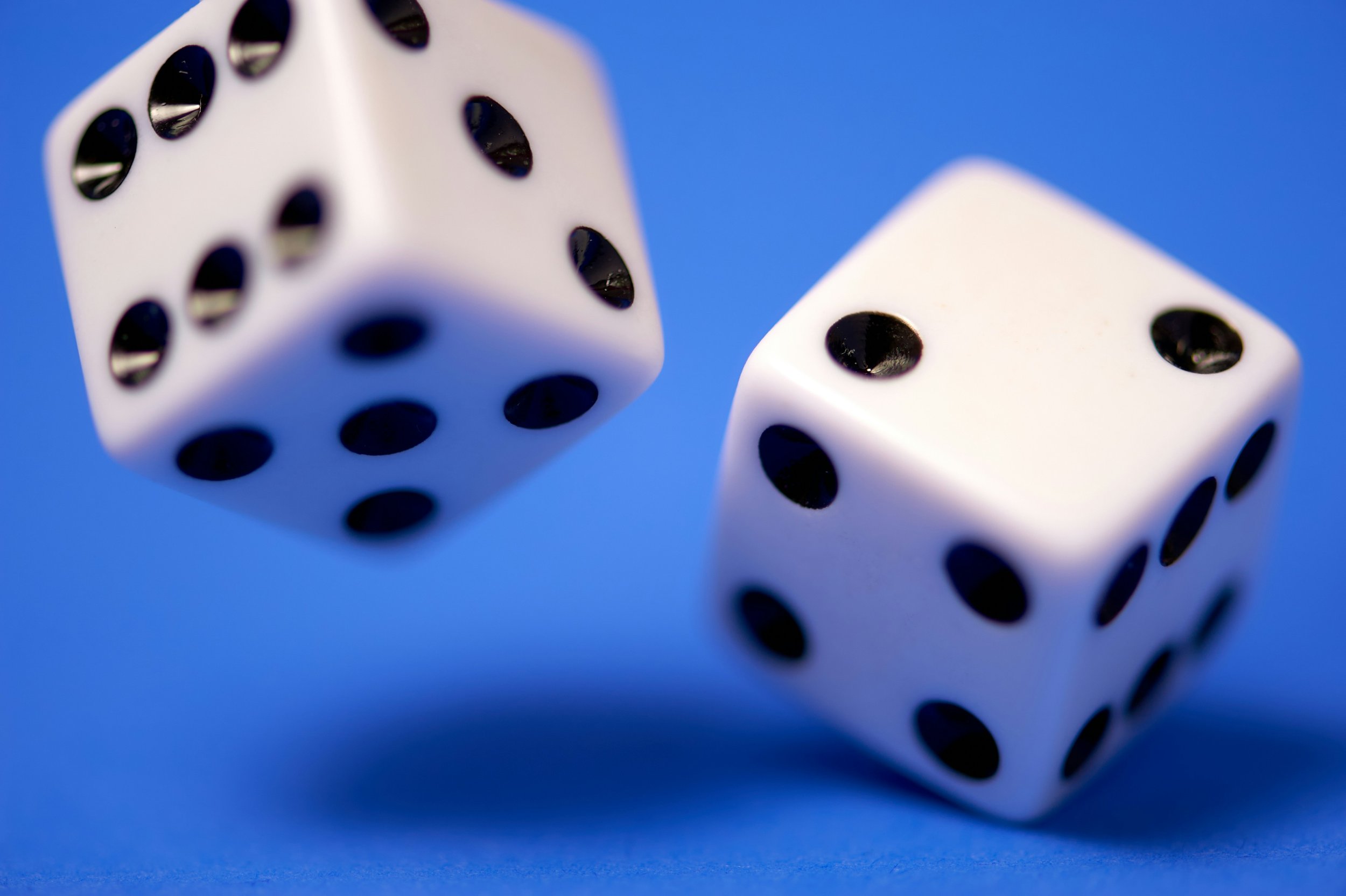
Thinking about a major investment—your first national trade show, a new location, or a product launch? Here’s how founders can weigh risk, plan ahead, and make big business decisions without going it alone.
If you run a growing business, you already know this feeling:
You’re about to write a big check.
Maybe it’s your first nationally attended trade show.
Maybe it’s a second location.
Maybe it’s a new product line that could open a whole new market.
And suddenly the questions start stacking up faster than your invoices.
What if this doesn’t work?
What if we spend all this money and nothing happens?
What if this is the decision that sinks us instead of grows us?
If that sounds familiar, you’re not alone.
Most founders hit this moment eventually—the point where the decisions stop being small operational choices and start becoming capital decisions. Decisions that can move the business forward… or put real pressure on cash flow.
That’s when it starts to feel less like running a business and more like placing a bet.
The Real Risk Most Founders Miss
Interestingly, the biggest risk usually isn’t the trade show, the location, or the product launch itself.
The real risk is making the decision alone and without structure.
Many founders do one of two things when faced with a big investment:
1. They jump in based on gut instinct because they feel they have to move quickly.
2. They stall out completely because the stakes feel too high.
Neither approach is actually risk management.
Real risk management means stepping back long enough to answer a few grounded questions:
What does success actually look like for this investment?
What needs to be true for it to work?
Where are the real pressure points—cash, staff capacity, or demand?
If it works, what happens next?
If it doesn’t, what’s the recovery plan?
When you start weighing risks and rewards intentionally, the decision becomes clearer. Not easy—but clearer.
Finding Your Business Rhythm
Businesses that grow sustainably usually develop a rhythm around these decisions.
They review what’s happening, plan the next move, and then execute with intention.
Over time, that rhythm becomes a kind of operating system for the business. Big decisions stop feeling like life-or-death gambles and start feeling like calculated moves.
That doesn’t mean every bet pays off.
But it does mean one decision won’t take the whole ship down.
Don’t Carry It Alone
Here’s the part many founders don’t talk about openly: making these decisions in isolation is exhausting.
You’re trying to balance optimism with realism, protect your cash, grow your brand, and keep your team motivated—all at the same time.
Sometimes the most powerful thing you can do is bring another strategic brain into the conversation.
Not someone who tells you what to do. Someone who helps you slow the decision down just enough to see it clearly, weigh the options, and move forward with a plan.
Because your next big decision should help move your business forward.
It shouldn’t be the one that takes you out.
____________________________________________________________________________________________
If you’re staring down a high-stakes business decision right now—trade shows, expansion, or a major investment—I’m always happy to have a conversation. Sometimes a little structure and an outside perspective is all it takes to find your rhythm again.
